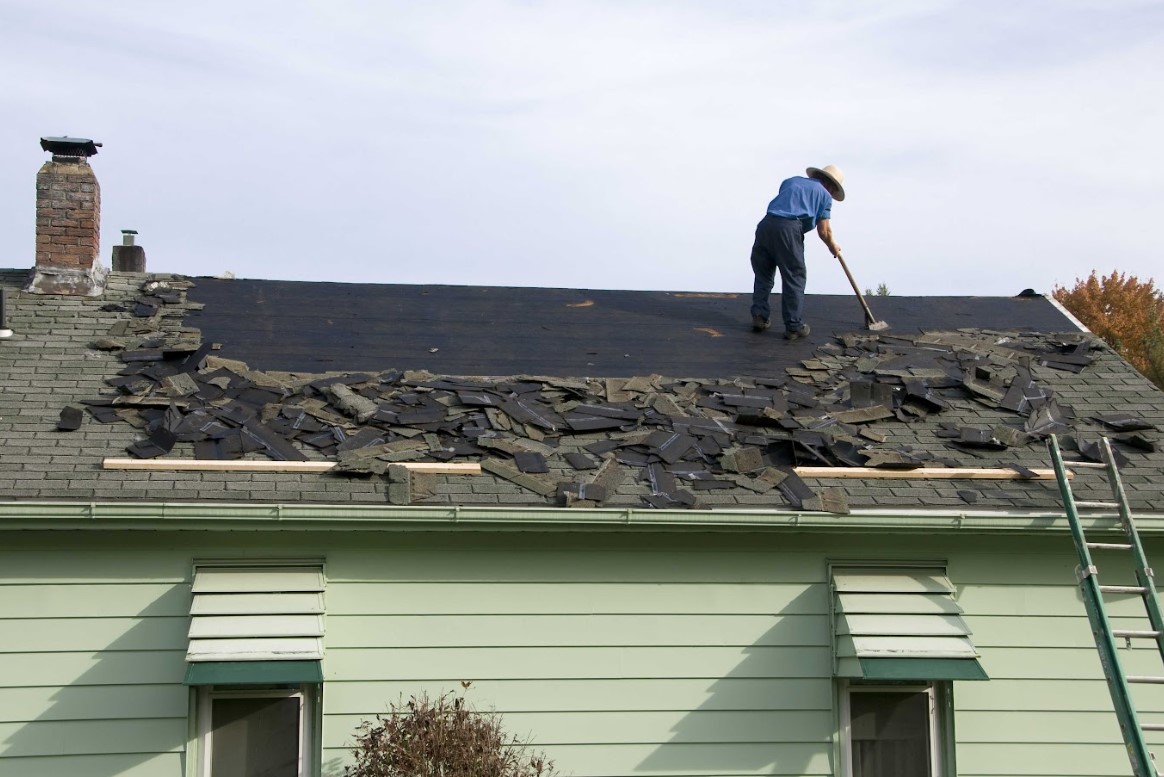
If you live in Utah’s higher elevations, you already know your roof works harder than most. Snow piles up, winds pick up speed, and the sun feels stronger year after year. It’s no surprise that homeowners often ask whether asphalt shingle roofing in a place like Utah, which has high elevations, is the right choice.
At Clean Cut Roofing & Siding, we help homeowners understand what actually holds up in Utah’s toughest conditions. Knowing the realistic roofing lifespan that Utah homeowners can expect, and how different residential roof materials respond to elevation, makes it easier to plan ahead instead of reacting to damage.
Key Takeaways
- Asphalt shingles can perform well at high elevations, but their lifespan depends on shingle type and installation quality.
- Utah’s wind, snow, UV exposure, and freeze-thaw cycles shorten roof life if the wrong shingles are used.
- Architectural, premium, and impact-resistant shingles offer better durability for mountain and high-elevation homes.
If you’d like clear guidance and a no-pressure estimate, the team at Clean Cut Roofing & Siding is here to help.
How Asphalt Shingle Roofing Performs in High-Elevation Utah Homes
In high-elevation areas, asphalt shingles face challenges that many homeowners don’t see in milder climates. Asphalt shingle roofing in high-elevation Utah: pros, cons, and lifespan is shaped by constant exposure to strong sunlight, heavy snow loads, and wide temperature swings.
During the day, shingles heat up quickly under Utah’s intense UV rays. At night, temperatures can drop fast. That repeated expansion and contraction slowly dries out asphalt, making shingles more brittle over time. When shingles lose flexibility, they’re more likely to crack, curl, or shed protective granules.
Wind is another factor. Higher elevations often experience stronger, more sustained gusts. Even when shingles don’t blow off, wind can break the adhesive seal that keeps them tight to the roof. Once that seal is compromised, moisture has an easier path underneath.
Snow and ice also play a role in the roofing lifespan that Utah homeowners experience. As snow melts and refreezes, ice dams can form along the roof edge. That trapped water can work under shingles, stressing both the roofing material and the structure below.
This doesn’t mean asphalt shingles are a bad choice. It means the right asphalt shingles, installed correctly, matter more at elevation than anywhere else.
What Are The Important Factors to Consider Before Choosing Asphalt Shingle Roofing?
Before deciding on asphalt shingles for a high-elevation home, it helps to look at how your roof actually functions day to day. The goal is confidence, not guesswork.
- Elevation and Exposure: Homes in open or windy areas experience more stress on shingles than sheltered properties.
- Expected Roofing Lifespan in Utah: Basic shingles often wear faster at elevation, while upgraded options last longer.
- Snow and Ice Management: Roof pitch, attic ventilation, and insulation all affect how snow and ice impact shingles.
- Shingle Type: Not all asphalt shingles are equal; architectural, premium, and impact-resistant options perform very differently.
- Installation Quality: Even the best residential roof materials won’t last if fastening, underlayment, or layout are done poorly.
Our role isn’t to push a product; it’s to help homeowners understand the trade-offs so they can choose wisely.
Asphalt Shingle Options That Hold Up Better at Elevation
Not every asphalt shingle is designed for mountain conditions. These are the systems we install because they perform more reliably in Utah’s high-elevation climate.
Architectural Asphalt Shingles Balance Durability and Value
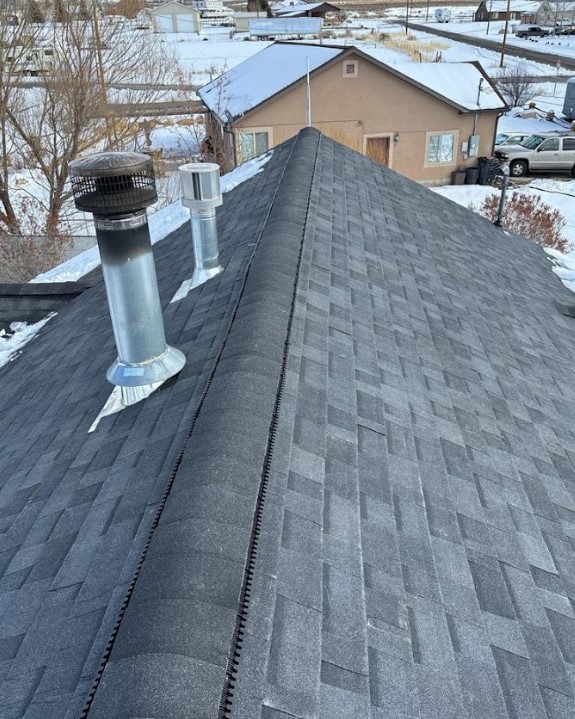
Architectural asphalt shingles are thicker and layered, giving them better resistance to wind and weather. Their dimensional look adds curb appeal while standing up well to snow, rain, and gusty conditions. For many high-elevation homes, this option offers the best balance of performance and affordability.
Premium Asphalt Shingles Add Style Without Sacrificing Strength
Premium asphalt shingles give homeowners the look of wood shake or tile with the practicality of asphalt. They’re heavier and more durable than standard shingles, helping them resist wear in harsh conditions. Premium shingles are a good fit for homeowners who want visual impact with low ongoing maintenance.
Impact-Resistant Shingles Handle Utah’s Harshest Storms
Impact-resistant shingles are among the strongest asphalt options available. They’re engineered to withstand hail, wind-driven debris, and severe storms. For homes exposed to frequent weather events, this option offers added peace of mind and can help extend roofing lifespan in Utah.
We install these systems using trusted products from Nordic, IKO, and Armour Shake.
What Truly Impacts Roofing Lifespan in Utah at Higher Elevations
Weather Stress Adds Up Over Time
High-elevation roofs are under constant stress, not just during storms. UV exposure, wind, snow, and temperature swings slowly wear materials down year after year.
Installation Systems Make the Difference
Enhanced fastening patterns, proper underlayment, and careful detailing around edges and penetrations protect shingles long-term. This is where systems-driven processes matter.
Maintenance Supports Longevity
Managing snow buildup, keeping gutters clear, and addressing small issues early all help extend the life of residential roof materials.
When these pieces work together, asphalt shingles can remain a dependable roofing option, even at elevation.
So, Is Asphalt Shingle Roofing a Smart Choice in High-Elevation Utah?
For many homeowners, yes, when the right shingles are chosen and installed with care. Architectural, premium, and impact-resistant shingles consistently outperform basic options in mountain environments.
The key is matching the roofing system to Utah’s reality, not relying on generic lifespan claims.