If you’ve lived through a few winters in South Central Utah, you’ve seen it happen: one storm rolls through, then another, and suddenly your roof is carrying more weight than you expected. That’s when homeowners start asking about snow load on roofs and whether their home is built to handle the pressure. It’s a fair question, and one we hear often once winter roof stress starts to add up.
At Clean Cut Roofing & Siding, we’ve spent more than 28 years working on Utah homes through heavy snow years, mild winters, and everything in between. Snow itself isn’t always the problem; it’s how long it stays, how it melts, and what happens underneath it that affects residential roofing durability.
Key Takeaways
- Snow load on roofs is about weight, not height, and ice makes a big difference.
- Winter roof stress builds over time, especially with repeated storms and freeze–thaw cycles.
- Roof design, materials, and maintenance determine how well your roof holds up through winter.
If you’re unsure how your roof is handling winter conditions, Clean Cut Roofing & Siding can help you evaluate things before small issues turn into bigger repairs.
How Snow Load on Roofs Really Works in South Central Utah
Snow load on roofs refers to the total weight of snow and ice sitting on your roof structure. While that sounds simple, it’s often misunderstood, especially in South Central Utah, where winter temperatures fluctuate regularly.
Light, dry snow may only weigh about 5 pounds per cubic foot, but wet snow can weigh four times that amount. Add in ice from melting and refreezing, and winter roof stress increases quickly, even if the snow layer doesn’t look deep.
This matters locally because storms here often come in waves. Snow doesn’t always have time to slide off or melt between systems. Instead, it compacts, refreezes, and adds stress with each cycle. Over time, that pressure works against roof decking, framing, fasteners, and flashing, reducing residential roofing durability if the system isn’t balanced.
Most roofs are designed to handle snow, but problems show up when drainage, ventilation, or materials aren’t working together. Snow load on roofs becomes a concern not because of one storm, but because of how winter behaves across the season.
Important Factors to Consider Before Snow Load Becomes a Problem
Before winter roof stress turns into damage, there are a few key things every homeowner should understand.
Roof Pitch and Layout
Steeper roofs shed snow more naturally. Valleys, low-slope sections, and complex rooflines tend to trap snow longer, increasing load in specific areas.
Roofing Materials
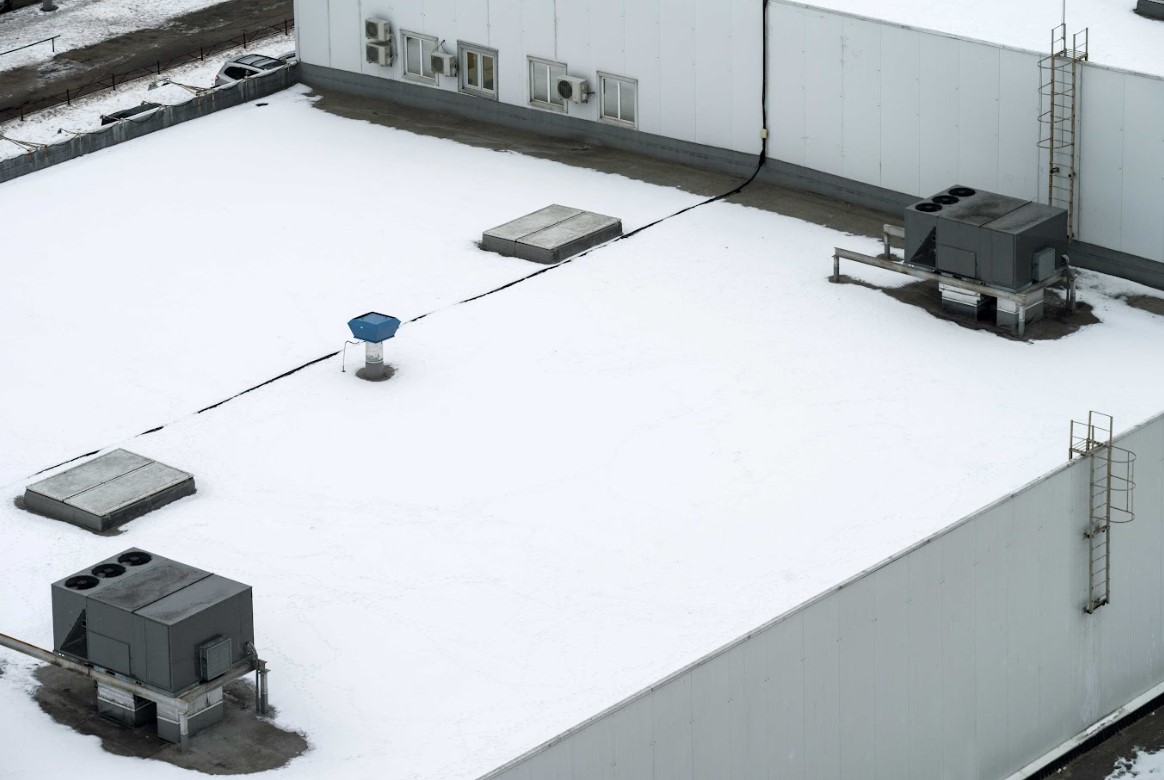
Metal roofing sheds snow efficiently, while asphalt shingles hold it longer. Flat or membrane roofs require stronger structural support to maintain residential roofing durability.
Roof Age and Condition
Older roofs may have weakened decking or framing, making them less tolerant of heavy snow loads on roofs.
Ventilation and Insulation
Uneven attic temperatures cause snow to melt and refreeze, creating ice dams and adding winter roof stress along eaves and edges.
Maintenance History
Blocked gutters, damaged flashing, or worn sealants make it harder for snowmelt to exit the roof safely.
Understanding these factors helps homeowners know when monitoring is enough and when it’s time to bring in a professional.
How Snow Load Builds Winter Roof Stress Over the Season
Snow Compacts and Gets Heavier
Snow rarely stays fluffy. As it melts and refreezes, it becomes denser, increasing snow load on roofs without obvious visual changes.
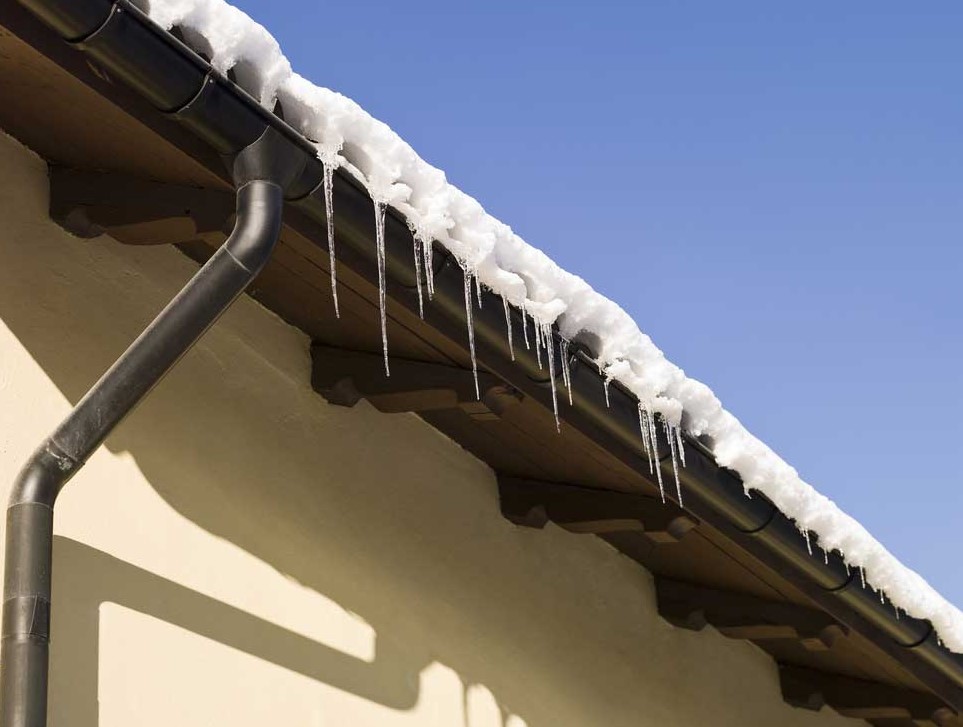
Ice Dams Add Weight Where Roofs Are Most Vulnerable
Ice dams trap water near the roof edge, forcing moisture under shingles and adding ice weight in critical areas.
Freeze–Thaw Cycles Loosen Materials
Repeated expansion and contraction can loosen fasteners, crack shingles, and slowly reduce residential roofing durability.
Drainage Problems Increase Structural Strain
Frozen or clogged gutters cause water to back up and refreeze, adding stress to fascia, decking, and roof edges.
Winter roof stress usually builds quietly, which is why regular estimates matter.
What Makes a Roof Strong Enough for Utah Snow Load
Proper Roof Design
Roofs with adequate pitch and balanced load distribution handle snow more effectively.
Ice and Water Shield Protection
High-quality underlayment acts as a backup barrier when meltwater gets past shingles.
Balanced Ventilation and Insulation
Keeping roof temperatures consistent helps reduce uneven melting and ice dam formation.
Weather-Tested Materials
Metal roofing, architectural shingles, and reinforced membrane systems improve long-term residential roofing durability in Utah conditions.
As mentioned earlier, roof strength comes from systems working together, not just the surface material.
Warning Signs Snow Load on Roofs Is Becoming an Issue
After major storms, homeowners should watch for:
- Sagging rooflines or ceilings
- Cracks in drywall or interior walls
- Creaking or popping sounds
- Leaks or ceiling stains
- Doors or windows are sticking unexpectedly
If you notice these signs, stay off the roof and call a licensed professional right away.
Practical Ways to Reduce Snow Load Risks
Use a roof rake carefully to remove excess snow when safe
- Keep gutters clear, so meltwater can drain
- Inspect flashing and valleys before winter begins
- Schedule pre- and post-winter estimates
- Avoid DIY ice removal methods that damage roofing materials
When conditions are uncertain, professional estimates are the safest way to protect residential roofing durability.
Snow Load on Roofs: What Homeowners Really Need to Know
Snow load on roofs doesn’t automatically mean something is wrong. It means your roof is being tested. In South Central Utah, preparation, design, and maintenance determine whether winter roof stress stays manageable or becomes costly.
A roof built and maintained for local conditions should carry snow safely and release it gradually without damage.
If you want confidence instead of guesswork, Clean Cut Roofing & Siding is here to help.