Living in rural Utah has its perks: open land, quiet roads, and wide mountain views. But when it comes to roof maintenance, those steep pitches and tall peaks can make access difficult.
That’s where roof drone inspections come in. For homeowners in Mount Pleasant, Castle Dale, Price, and other snow-heavy areas, this modern approach to roofing inspection technology offers a safer, smarter way to evaluate roof conditions without climbing icy ladders.
At Clean Cut Roofing & Siding, we use roof drone inspections to help rural homeowners protect their property with peace of mind everytime. Here’s what you need to know before scheduling your next estimate.
Key Takeaways
- Roof drone inspections improve roof inspection safety in steep, remote, or snow-covered conditions.
- Advanced roofing inspection technology provides detailed images for better decision-making.
- Rural Utah homes benefit from faster assessments after storms, heavy snow, or wind events.
If your home sits on acreage, a hillside, or features a multi-story design, Clean Cut Roofing & Siding can help you evaluate it safely and thoroughly.
How Roof Drone Inspections Work for Rural Utah Homes
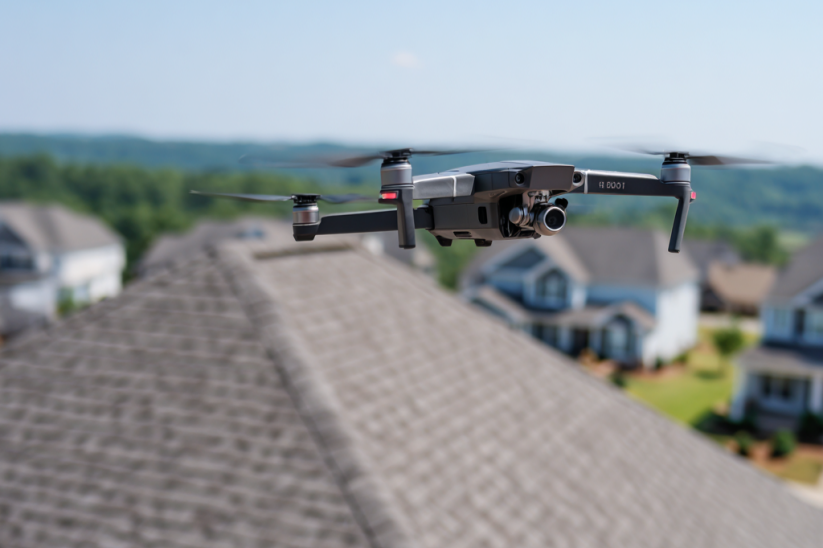
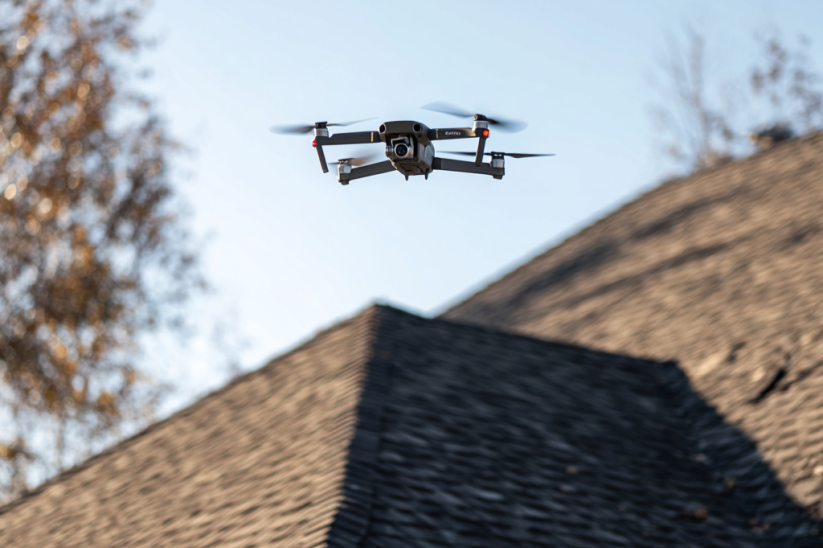
Roof drone inspections use unmanned aerial systems equipped with high-resolution cameras to capture detailed images and video of your roofing system. Instead of relying solely on ladders and harnesses, a licensed operator flies the drone over valleys, ridges, chimneys, and upper slopes.
In rural Utah, that matters. Many homes in Fairview, Ephraim, and Huntington have steep rooflines built to shed heavy snow loads. Add freeze-thaw cycles, wind uplift, and ice buildup, and traditional ladder access can increase liability and slow down evaluations.
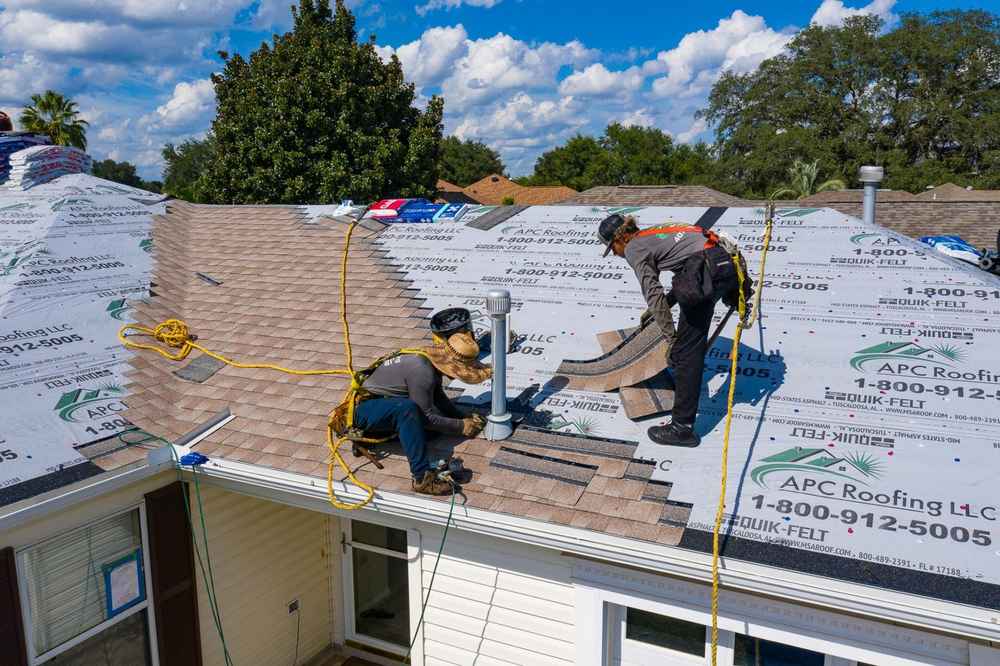
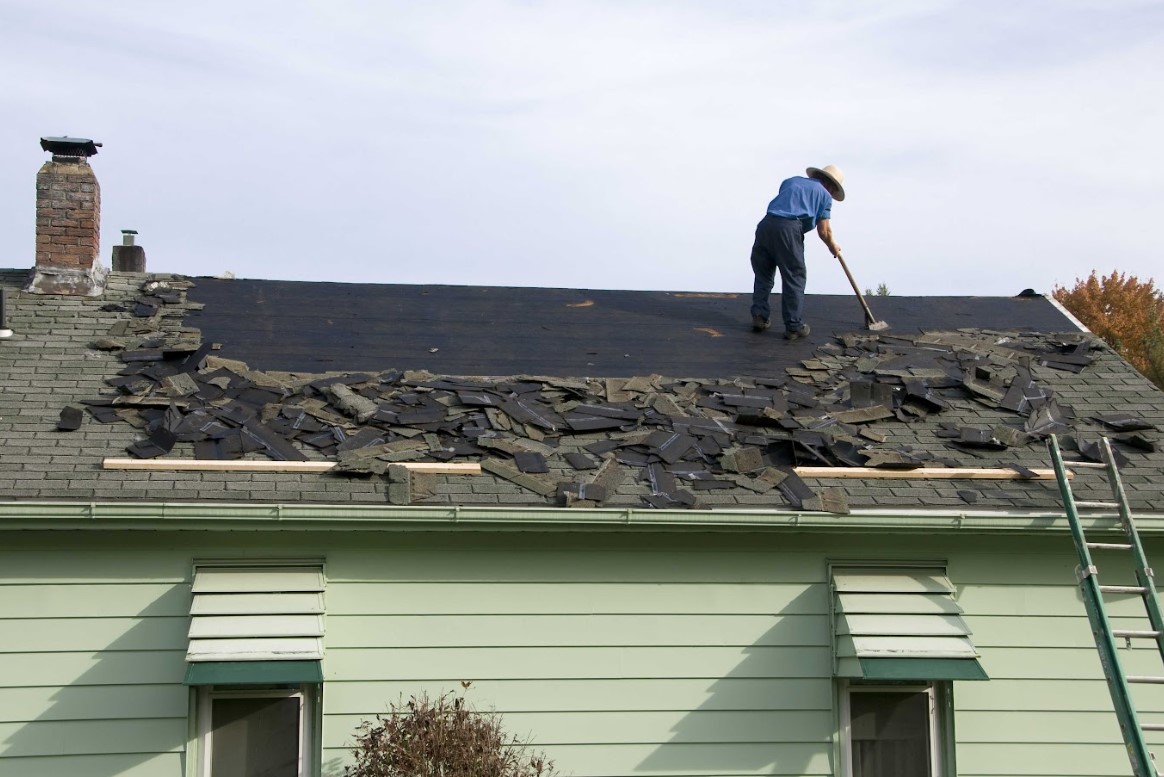
Roof inspection safety is especially critical during winter and early spring. Snow-packed shingles and icy edges create dangerous walking conditions. With roofing inspection technology like drones, we reduce unnecessary risk while still gathering accurate data.
Drones also document roof conditions clearly. That’s helpful for storm damage reviews, maintenance planning, or simply understanding your roof’s current state. While hands-on assessment still plays a role when repairs are needed, roof drone inspections provide an efficient first look, particularly in hard-to-reach areas.
For rural homeowners, that combination of safety and visibility is hard to beat.
Important Factors to Consider Before Scheduling Roof Drone Inspections
Before moving forward with roof drone inspections, take a moment to think through a few key considerations.
- Property Layout: Is your home multi-story, on a slope, or surrounded by obstacles? Drones excel where ladder placement is limited.
- Recent Weather Events: Heavy snow, hail, or windstorms increase the urgency. Roofing inspection technology helps capture damage quickly before it worsens.
- Safety Conditions: Ice dams and steep pitches elevate fall risks. Roof inspection safety should always come first.
- Purpose of the Estimate: Are you evaluating storm damage, preparing to sell, or planning a replacement? Clear goals help determine whether a drone review alone is sufficient or if follow-up hands-on work is required.
- Local Regulations: Drone use must follow FAA guidelines. Reputable contractors handle airspace compliance and pilot certification properly.
- Long-Term Plans: If you’re considering a full replacement, remember that Clean Cut Roofing & Siding offers 10-year workmanship warranties and enhanced installation methods like six-nail shingles and extra fasteners for high-wind zones.
Roof drone inspections prepare you with information. From there, you can confidently decide your next step.
Roof Drone Inspections vs. Traditional Access: What’s the Real Difference?
When comparing roof drone inspections to traditional access methods, the differences are straightforward.
Safety
Roof drone inspections require no roof walking, which significantly improves roof inspection safety on steep or icy surfaces. Traditional access relies on ladders, harnesses, and physical movement across the roof.
Speed
Drones provide a fast aerial overview, often completing the visual evaluation in minutes. Manual inspections take longer due to ladder setup and safety precautions.
Documentation
Roof drone inspections capture and store high-resolution images and video for future reference. Traditional methods typically rely on written notes and limited photos.
Physical Testing
Drones provide visual data only. Traditional inspections allow roofers to physically check decking, flashing, and material integrity.
Best Use Case
Roof drone inspections are ideal for steep, icy, or remote roofs. Traditional access works best when active repairs or material testing are required.
Drone evaluations improve roof inspection safety and provide detailed documentation. However, when soft decking, moisture intrusion, or flashing repairs are suspected, hands-on verification becomes necessary.
At Clean Cut Roofing & Siding, our systems-driven processes combine both methods when needed. We start with roofing inspection technology to gather visuals, then move to a physical evaluation if repairs or replacements are recommended.
That balanced approach protects both homeowners and crews.
What Makes Roof Drone Inspections Especially Valuable in Snow & Wind Zones?
Heavy Snow Loads Demand Safer Assessment
Utah roofs regularly carry significant snow weight. Walking those surfaces increases risk. Roof drone inspections allow evaluation without disturbing snow layers or risking slips.
Wind Damage Isn’t Always Visible from the Ground
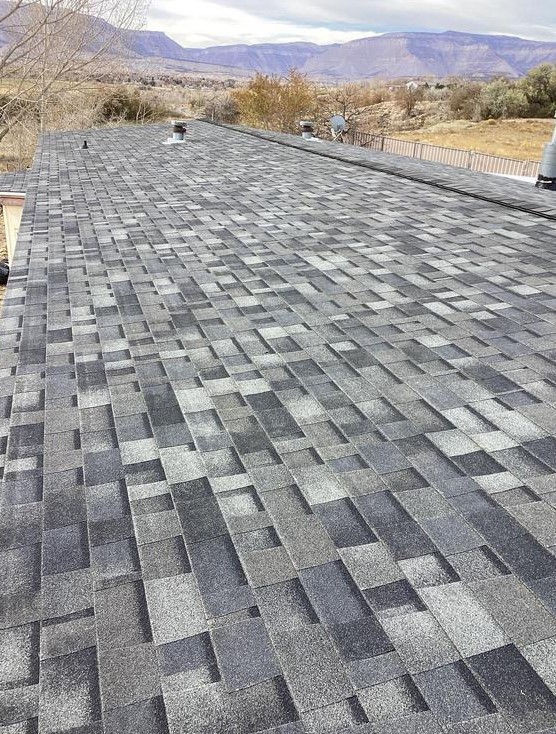
High-wind events can loosen shingles subtly. Drones capture ridge caps, valleys, and upper slopes clearly, helping identify early problems before leaks form.
Documentation Helps with Planning and Insurance Conversations
Clear visual records reduce confusion. While we never overpromise outcomes, organized documentation supports transparent conversations about next steps.
Technology Is Only as Good as the Team Using It
Roofing inspection technology works best when paired with experience. With 28+ years serving Utah communities, our certified roofing experts interpret drone data within the context of freeze-thaw cycles, ice dam zones, and high-wind standards.
The Smartest Way to Evaluate Hard-to-Reach Utah Roofs
For rural and hard-to-access Utah homes, roof drone inspections provide:
- Safer assessments during snow or icy conditions
- Clear documentation of shingles, flashing, valleys, and ridges
- Faster turnaround after storms
- Reduced risk of surface damage from unnecessary foot traffic
When paired with a contractor who understands heavy snow loads, six-nail installation standards, and high-wind fastening systems, the result is confident decision-making.
You don’t have to guess what’s happening up there.