If you’ve lived in Utah long enough, you know how fast the weather can change. One day you’re shoveling snow, and the next, it’s melting under bright sunshine. Those swings in temperature might seem harmless, but for your roof, they’re anything but. This constant freezing and thawing, known as the freeze-thaw cycle, is one of the biggest reasons Utah homeowners face winter leaks, warped shingles, and premature roof replacements.
At Clean Cut Roofing & Siding, we’ve spent nearly 30 years helping Utah families protect their homes from this exact problem. The good news is, you can stop most of this damage before it starts with a few smart habits and a roof designed for our local climate.
Key Takeaways
- Utah experiences the nation’s most extreme freeze-thaw roof damage because of high elevation and rapid temperature swings.
- Proper attic insulation, ventilation, and seasonal upkeep are your best defenses to prevent roof leaks in winter.
- With proactive Utah roof maintenance tips, you can extend your roof’s lifespan and avoid major springtime repairs.
If you’re unsure how your roof will hold up this winter, schedule a free inspection with Clean Cut Roofing & Siding, your local roofing experts who understand Utah weather better than anyone.
How Freeze-Thaw Roof Damage Happens in Utah Homes
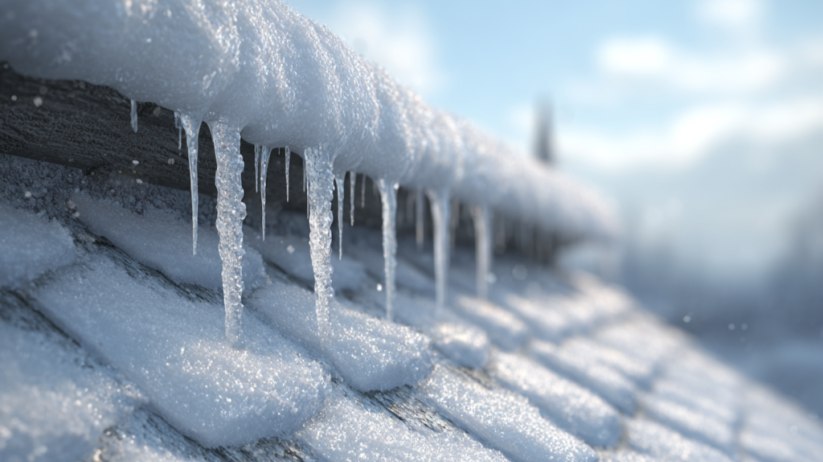
It starts small, snow melts during the day, seeps beneath your shingles, then refreezes at night. That expanding ice pushes roofing materials apart, weakens seals, and leaves small openings for more moisture to enter. Over time, those tiny gaps become leaks, sagging roof lines, or even interior water damage.
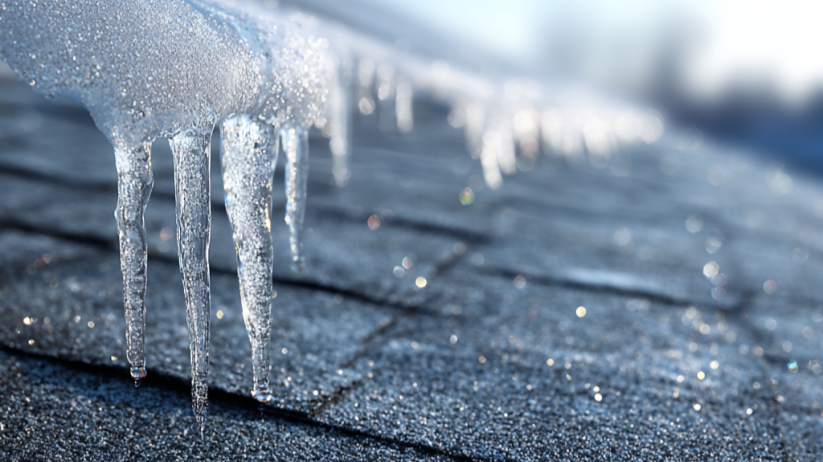
One of the most visible results of freeze-thaw stress is the ice dam. These thick ridges of ice form near your roof’s edge when melting snow can’t drain properly. As water backs up behind the ice, it seeps under shingles and into your home’s structure. You may not notice it right away, but by spring, you’ll see the telltale stains on ceilings or walls.
Because Utah sits at a high elevation, our homes endure this cycle more than almost anywhere else in the country. The result? Roofs that age faster and repairs that come sooner, unless you plan ahead.
The good news: With the right insulation, ventilation, and care, you can break this cycle and keep your home warm, dry, and leak-free all season long.
How to Prevent Freeze-Thaw Roof Damage Before Winter Hits
Protecting your home doesn’t have to be complicated. These tried-and-true Utah roof maintenance tips are the same ones our team uses to help homeowners prevent roof leaks in winter, and they work.
1. Strengthen Your Attic Insulation and Ventilation
Your attic temperature affects how snow melts on your roof. Poor insulation allows heat to escape, warming the roof unevenly and causing ice dams. Combine good insulation with ridge and soffit vents to keep air circulating and temperatures balanced.
2. Keep Gutters Clean and Flowing
Clogged gutters are a recipe for ice buildup. Clear leaves and debris before the first snow so melting water can drain away safely. Consider gutter guards if trees or wind frequently clog your system.
3. Schedule a Professional Roof Inspection
Fall is the perfect time to have your roof checked for damage. Loose shingles, cracked flashing, or worn sealant might seem minor, but once the freeze-thaw cycle starts, those small issues grow fast. Our team can spot trouble areas early and fix them before winter arrives.
4. Trim Back Overhanging Branches
Branches can drop heavy snow, scrape shingles, or shade roof sections that refreeze faster. Keeping them trimmed helps prevent unnecessary strain on your roof.
5. Upgrade to Ice and Water Shield Underlayment
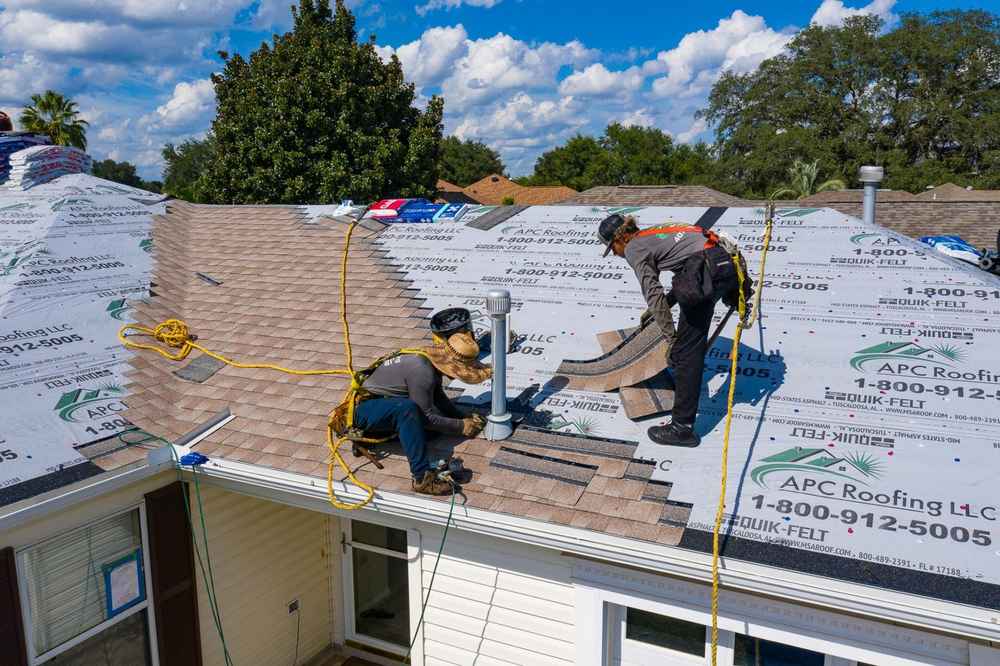
If your roof is due for replacement, add a waterproof barrier beneath the shingles. This “shield” protects against leaks in high-risk zones like eaves, valleys, and edges, where most ice dams form.
6. Manage Heavy Snow Safely
Utah’s snow can pile up quickly. Too much weight adds stress to your roof and creates thick ice dams. Use a roof rake from the ground to clear snow, leaving about an inch to protect the shingles. Never climb onto your roof in icy conditions; hire a pro instead.
Small steps like these can make a huge difference in protecting your home through every freeze, thaw, and storm that winter brings.
Inside the Freeze-Thaw Cycle: Why Utah Roofs Take the Hardest Hits
Uneven Temperatures Create Ice Dams
When warm attic air melts snow unevenly, the runoff refreezes near colder roof edges. This is where ice dams begin, and once they form, they trap even more water behind them.
Shingles Expand, Crack, and Lift
Asphalt shingles are tough but not flexible enough for constant temperature swings. Repeated freezing and thawing cause edges to lift, giving melted snow a direct path underneath.
Flashing and Fasteners Loosen Over Time
Metal flashing expands and contracts with every temperature change. Over the years, it loses its watertight seal around vents, chimneys, and skylights, the most common places where leaks start.
Moisture Sneaks In Unnoticed
Not all water damage shows up right away. Moisture trapped beneath shingles can soak into decking or insulation, leading to hidden rot, mold, and poor energy efficiency.
When you understand how these small problems form, you can take smarter steps to prevent them, saving money, time, and stress down the line.
Winter Roof Protection Checklist for Utah Homeowners
Here’s your easy-to-follow plan to protect your home before the first big storm:
- Schedule a fall roof and attic inspection.
- Seal or replace loose shingles and flashing.
- Clean gutters and check downspouts for blockages.
- Balance attic insulation and ventilation.
- Safely remove snow after major storms.
- Install ice and water shield during your next replacement.
Following this list will help you prevent roof leaks in winter and minimize freeze-thaw roof damage, no matter how unpredictable Utah’s weather gets.
If you’d prefer expert help, the team at Clean Cut Roofing & Siding can handle inspections, maintenance, and full replacements built for Utah’s climate.